
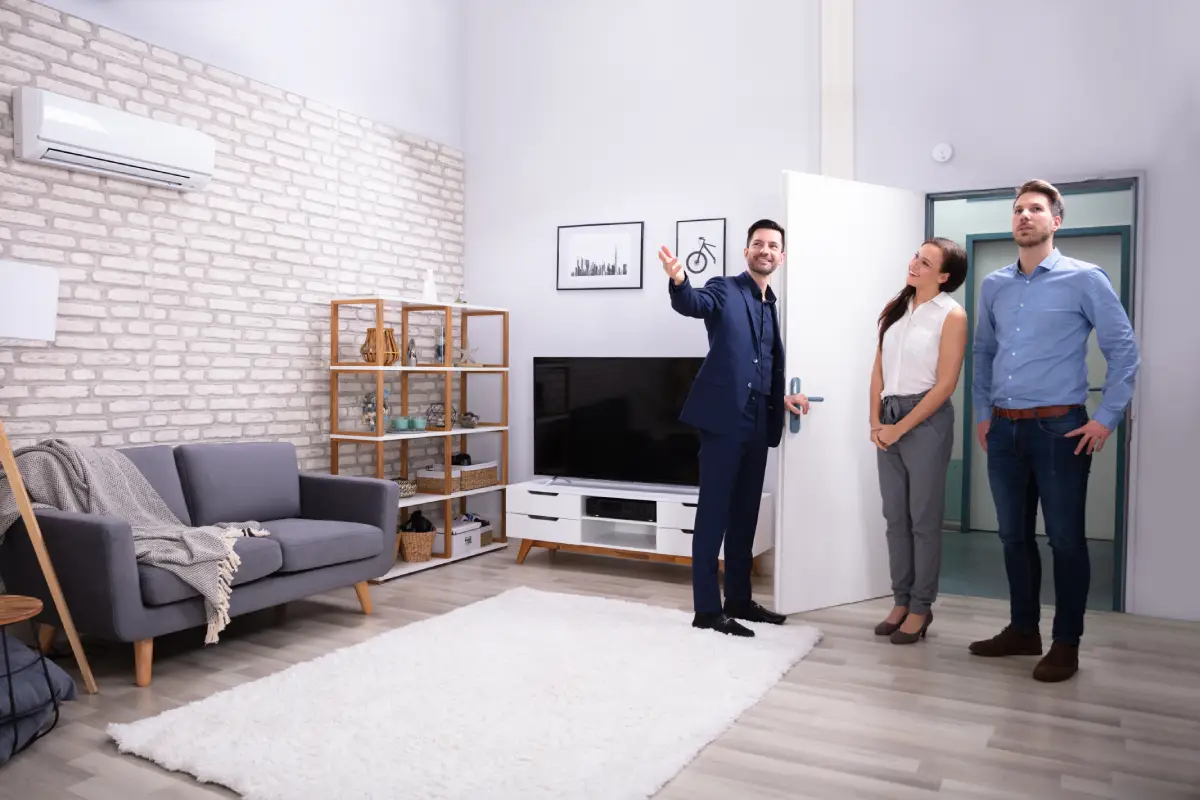
Small layout decisions often reveal themselves the moment someone steps inside, and a closer look through a rental profit check can connect those first impressions to long-term performance. Even well-finished homes can feel challenging when pathways feel forced, storage is misplaced, or private areas blend too closely with shared spaces.
At PMI Phoenix Metro, we manage residential homes across Phoenix and see firsthand how floor plans influence daily habits, maintenance patterns, and tenant satisfaction. When a layout supports how people actually live, properties tend to operate more smoothly, experience fewer stress points, and deliver more consistent results for investors over time.
Key Takeaways
- Functional layouts help renters visualize daily life, which can shorten vacancy periods.
- Bedroom placement improves privacy and quiet, supporting longer tenancies.
- Flexible rooms adapt to remote work and changing household needs.
- Efficient kitchens, laundry areas, and storage reduce friction and wear.
- Traffic flow patterns influence repair frequency and long-term costs.
Why Layout Often Matters More Than Size
In Phoenix, renters tend to focus on how a space lives rather than how large it measures. A smaller home with a thoughtful layout can feel easier to live in than a larger one broken into awkward sections.
From an investor standpoint, layout affects more than showings. When rooms connect logically, tenants move through the home naturally, which reduces frustration and helps maintain condition. Poor layouts create bottlenecks that lead to faster wear, more complaints, and higher turnover risk.
Defining usable space
Usable space offers clear paths, practical wall areas for furniture, and storage placed where it’s actually needed. It avoids forcing daily routines through tight corridors or past obstacles, especially near entries, kitchens, and bathrooms.
Living Areas That Encourage Natural Flow
The living area shapes the first impression during tours and becomes the central hub of daily life. A well-designed living space feels open without feeling undefined.
Open concepts remain popular because they allow light and interaction to move freely. That preference shows up nationally, with 54% of new homes featuring open kitchen and dining designs. In Phoenix rentals, openness works best when it still supports clear zones for lounging, dining, and movement.
Flow beats furniture workarounds
When the main walkway cuts directly through the living room, renters struggle to arrange furniture, and foot traffic concentrates in one strip of flooring. A stronger plan creates a natural route from entry to kitchen without disrupting seating areas.
Bedroom Placement That Supports Privacy
Bedroom layout has a direct effect on household harmony. Renters notice privacy issues quickly, especially in shared households or homes with varied schedules.
A smart plan keeps sleeping areas away from the busiest rooms. When bedrooms sit next to kitchens or living rooms, noise and light travel farther than expected, which can shorten lease lengths.
Separation that builds stability
Split-bedroom designs often work well for roommates and families. Even in compact homes, thoughtful hallway use and door placement can create separation that supports quiet and personal space.
Closets and bathrooms matter
Bedrooms feel complete when storage is usable and bathroom access is logical. When tenants can organize belongings easily, they tend to keep the space in better condition, which benefits long-term upkeep.
Flexible Rooms That Adapt Over Time
Flexibility has become a quiet expectation. A spare room, loft, or defined nook can serve many purposes throughout a single lease.
That demand is reinforced by workforce data showing 36.07 million remote part-time workers nationwide. Even part-time remote work affects how renters evaluate layouts, particularly in homes where carving out quiet space can be challenging.
Making flex space practical
A flex room works best when it has a door or defined wall space, adequate lighting, and accessible outlets. Even a small alcove can add value if it doesn’t interrupt main traffic paths.
If you’re planning updates, consider improvements outlined in tenant improvement planning that enhance function without committing to major structural changes.
Kitchens and Laundry Areas That Reduce Daily Friction
Kitchens and laundry zones influence daily satisfaction more than most other spaces. Layout efficiency often matters more than finishes.
A practical kitchen allows smooth movement between sink, stove, and refrigerator, with enough counter space near each. When renters can imagine cooking without constant adjustments, the home feels easier immediately.
Protecting high-use areas
These rooms experience heat, moisture, and frequent cleaning. Owners who take a proactive approach often rely on guidance from investment protection strategies to limit surprise repairs and preserve functionality.
Laundry placement that feels intentional
In-unit laundry remains a strong expectation in Phoenix rentals. Placement should be convenient without dominating living areas. When laundry sits near bedrooms, sound control and ventilation become especially important.
Storage and Circulation That Improve Comfort
Storage plays a major role in how spacious a home feels. Phoenix renters may accept compact rooms, but they still need places for everyday items like cleaning supplies, seasonal gear, and pantry goods.
A strong layout integrates storage into the flow of the home. Entry closets help manage clutter, while well-placed pantries and linen storage reduce overflow into living spaces.
Accessibility across layouts
Single-level homes appeal to many renters, while multi-level layouts perform best when daily routines make sense. If bedrooms are upstairs, having a bathroom nearby reduces repeated stair use. Direct routes from garages or entries also improve daily convenience.
For owners focused on condition, it helps to review maintenance responsibility clarity to align layout use with care expectations.
How Floor Plans Influence Long-Term Wear
Layouts shape how a property ages. Traffic patterns determine where flooring wears fastest, and room placement affects moisture exposure and system strain.
Narrow corridors concentrate foot traffic, while tight turns near entries increase scuffs and wall damage. Poorly placed laundry areas can raise humidity levels in busy zones, accelerating wear.
A simple wear-focused review can reveal risks:
- Trace daily routes from entry to kitchen, living area, and bathroom.
- Identify bottlenecks where movement slows or overlaps.
- Note moisture-heavy areas and nearby finishes.
- Check ventilation and natural light for drying support.
- Match flooring and wall materials to real traffic patterns.
Routine oversight, including insights from turnkey management benefits, helps catch layout-driven issues early and keeps maintenance predictable.
Why this matters for investors
When wear spreads evenly, repairs stay manageable. Concentrated wear leads to faster cost spikes and heavier turnover work. Layouts that support smooth circulation offer a long-term operational advantage.
FAQs about Floor Plan Design in Phoenix, AZ
How do Phoenix renters judge whether a layout feels comfortable right away?
Renters often rely on how easily they can move through the home, where natural light falls, and whether rooms feel purposeful. When the layout feels intuitive within minutes, the property usually leaves a stronger first impression.
Why do some floor plans lead to faster tenant fatigue than others?
Layouts that force daily workarounds, like tight hallways or poorly placed doors, can become frustrating over time. These small inconveniences add up, which can impact tenant satisfaction and shorten overall lease longevity.
What layout details matter most for households with different schedules?
Clear separation between bedrooms and shared spaces helps accommodate varied routines. When quiet areas stay protected from high-activity zones, tenants experience fewer disruptions and feel more comfortable sharing the home long term.
How can layout design influence how tenants care for the property?
When storage is accessible and rooms feel organized, tenants tend to maintain the home more easily. Functional layouts reduce clutter, limit accidental damage, and encourage better day-to-day upkeep across the lease.
What signs suggest a floor plan may be limiting rental performance?
Frequent feedback about noise, storage shortages, or awkward room use often points to layout challenges. These signals can indicate that the design no longer aligns with how renters expect to use the space today.
Designing Homes That Stay Strong Through Every Lease
Long-term success in Phoenix rentals often comes down to how well a home handles everyday life, not how it looks on listing day. Layouts that guide movement naturally, protect high-use areas, and adapt to changing routines help reduce wear while keeping tenants comfortable year after year.
At PMI Phoenix Metro, we focus on keeping residential properties functional, efficient, and prepared for real-world use. Strengthen ongoing property performance today by partnering with us through our residential maintenance services and give your rental a setup that stays dependable across every lease cycle.
